
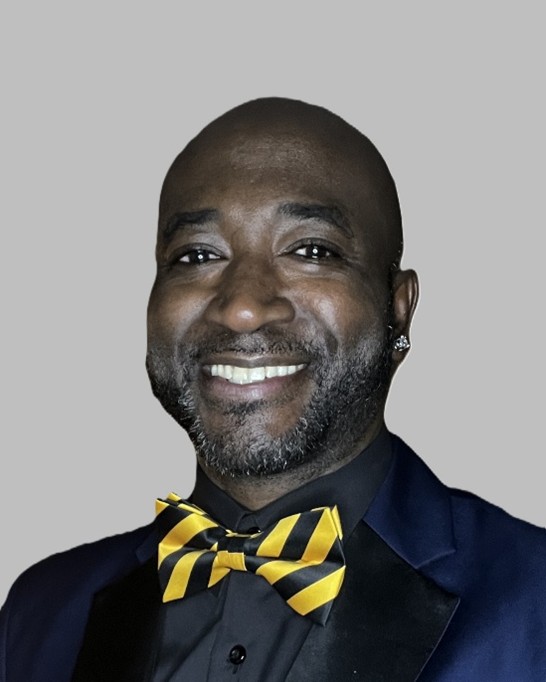
Dr. Carlos Noel Chapman II, PhD, MPH, is a distinguished Medical Sociologist and Public Health Scholar with extensive expertise in health education, research, and health and wellness initiatives. He currently serves as an Assistant Professor at Grambling State University, where he delivers instruction in Sociology, with a focus on medical sociology, health disparities, and environmental health. His academic and professional background encompasses roles in higher education, research analysis, health communications, and partnership engagement with federal agencies, including the Centers for Disease Control and Prevention (CDC).
Dr. Chapman’s research and professional interests center on health equity, social determinants of health, criminology, race and racism, and environmental issues. His doctoral dissertation, Perceptions of Health Recommendations and Adherence Patterns Among Black Men at Risk for Cardiovascular Disease, explores critical health behaviors and disparities affecting Black men, contributing valuable insights to medical sociology and public health research. He has been instrumental in advancing public health initiatives through policy development, technical assistance, and community outreach. Dr. Chapman is dedicated to fostering interdisciplinary collaboration and generating impactful research aimed at improving health outcomes among Black men, communities of color, and rural underserved areas.
Dr. Chapman has actively participated in several professional development trainings focused on learning, understanding, and implementing AI in the classroom. Most recently, he completed the GSU Summer 2025 Institute, where he developed a strategic action plan to help Sociology and Psychology department faculty and staff integrate AI tools efficiently and ethically. His efforts center on identifying AI technologies for teaching, research, and multimedia use that can enhance student engagement and promote the department’s visibility.
Advancing health equity and justice by examining systemic disparities affecting underserved groups and rural communities.
Medical Sociology
Environmental Sociology
Criminology
Policy & Structural Inequities
Social Change & Public Health